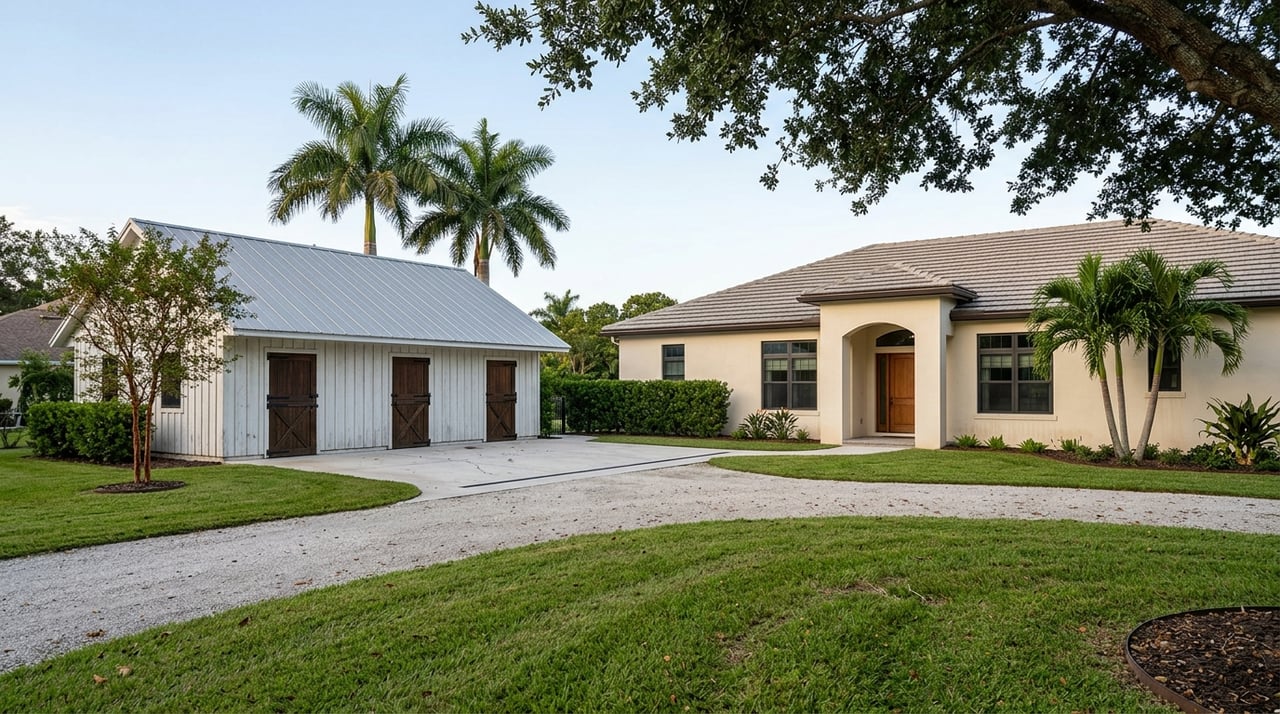
If you want more space, room for horses, or a property with a semi-rural feel, Davie stands out in Broward County. This is not just a town with some larger lots. According to the Town of Davie, Davie is known for its rural atmosphere, western-themed identity, and more than 165 miles of trails that connect residential areas, parks, open space, schools, and other destinations. If you are considering a small acreage or equestrian-style home here, understanding how these properties work can help you buy with more confidence. Let’s dive in.
Why Davie Appeals to Acreage Buyers
Davie offers something that can be hard to find in South Florida: a setting where larger lots, open space, and horse-oriented living are part of the town’s identity. The town’s trail system includes unpaved paths designed for equestrian users and hikers, and motorized vehicles are not allowed on those trails, which helps preserve their intended use.
That local character matters when you are comparing Davie to other Broward communities. In many places, a larger lot simply means extra yard space. In Davie, it can also mean access to a lifestyle shaped by trails, horse accommodations, and a community that actively plans for equestrian use.
The town also publishes horse-specific hurricane preparedness guidance, which shows that equestrian living is a recognized part of local planning. For buyers, that is a practical sign that horse ownership is not an afterthought here.
What “Small Acreage” Can Mean
One of the most important things to understand is that Davie acreage is not one-size-fits-all. The town’s zoning framework includes several single-family districts, including A-1, R-1, R-2, R-3, R-4, and R-5, and different properties may fall into very different use categories depending on the lot, zoning, and existing improvements.
In practice, you may see:
- A single-family home on a larger residential lot
- A semi-rural parcel that fits the town’s hobby farm definition
- A home in a residential development with shared equestrian amenities
- A property with private horse-related improvements such as stalls or paddocks
Davie’s code also distinguishes a hobby farm from other types of agricultural use. That means you should not assume every larger parcel functions the same way, even if listings use similar words like “farm,” “acreage,” or “equestrian.”
What Buyers Often Find on These Properties
Many buyers in this niche are looking for more than lot size alone. They want features that support everyday use, whether that means keeping horses on-site, storing equipment, or simply enjoying more privacy and flexibility.
Common features can include:
- Fencing n- Paddocks
- Barns or stalls
- Tack and feed storage
- Trailer parking space
- Access to local trails
Davie’s equestrian trail information also notes horse-trailer parking at Bergeron Park. That is a helpful detail if trail access is part of your buying criteria.
Can You Keep Horses on the Property?
This is one of the first questions many buyers ask, and the answer depends on the property’s zoning and lot size. Davie’s farm guide states that livestock is allowed on 35,000-square-foot-or-larger lots in several districts. In the R-1 district, the guide allows up to four livestock total per 35,000 square feet, limited to cattle or horses.
That 35,000-square-foot benchmark is roughly 0.8 acre, which gives buyers a useful starting point. Still, you should verify the exact zoning and permitted use for any property you are considering, because lot size alone does not tell the full story.
You should also pay attention to how the property is already improved. An existing barn, fence, paddock, or shelter may not confirm that every use you want is automatically allowed today. It is smart to confirm current compliance before you move forward.
Private Horse Use vs. Boarding
Another key point is the difference between keeping your own horses and operating a boarding use. These are not the same under local rules.
Davie defines a boarding stable as a stable that provides food and shelter for compensation. The town also notes that equestrian facilities may board horses belonging to owners who live elsewhere. That is very different from a private home where you keep your own horses for personal use.
This distinction matters for both use and taxes. The Broward County Property Appraiser states that horses are livestock, but owning horses for pleasure or sport alone is not enough for agricultural classification. For a horse boarding farm, the use must be real, primary, commercial, and bona fide, and the property should actually be boarding other people’s horses.
If you are buying for personal horse ownership, that may be perfectly fine. But if you think you may eventually board horses for compensation, you should review that possibility carefully before making assumptions.
Equestrian Amenities in Residential Communities
Some Davie buyers want horse access without taking on the responsibility of a fully private horse property. In some cases, that can mean looking at communities with built-in equestrian amenities.
The town’s standards explain that equestrian facilities may be included within a minimum 35-acre development and may be intended for use by residents and boarders only. The code also notes that these owners and operators are members of the homeowners’ association governing the development.
That setup can appeal to buyers who want a horse-oriented environment with a more structured framework. Still, community rules, access rights, and use restrictions should always be reviewed closely.
Due Diligence Before You Make an Offer
Acreage and equestrian-style homes usually need a deeper review than a typical suburban home. Before you commit, it helps to look beyond the house and evaluate the land, improvements, and utility setup.
Review Zoning and Permit History
Davie’s permitting rules make clear that construction or alteration generally requires a permit. The town’s general permit information and fence checklist show the kind of documentation often required, including a building permit application, signed survey, site plan, setbacks, and ownership records.
For buyers, that means you should review:
- Current zoning
- The property survey
- Permit history for fences, barns, shelters, generators, and driveways
- Easements and setback impacts
- Any site-plan issues tied to existing improvements
This step can help you avoid buying a property that looks functional at first glance but creates problems when you try to insure, improve, or use it as planned.
Confirm Water, Sewer, or Septic
Utility service can vary more than buyers expect. The Town of Davie states in its water quality report that it provides water and sewer service only to a portion of Davie, while other areas are served by other municipalities or private utility companies.
Broward County also states that properties abutting an available sanitary sewer main must connect, and septic systems may not be constructed or repaired on property that abuts a sanitary sewer main. If you are buying a larger parcel, verify whether the home is on municipal sewer, another utility provider, or septic, and confirm what that means for future repairs or upgrades.
Check Flood Zones and Drainage
Flood review should be part of every acreage purchase in Davie. The town participates in the National Flood Insurance Program and notes on its flood insurance page that standard homeowner policies do not cover flood damage.
Drainage also deserves attention on larger or lower-lying parcels. Davie notes that stormwater management is an important issue town-wide, which makes it wise to review flood-zone status, site grading, standing water patterns, and drainage conditions early in the process.
Understand Barn and Shelter Setbacks
If a property has horse structures already, or if you plan to add them later, setbacks matter. Davie’s farm guide says animal shelters for livestock can require 40-foot setbacks from property lines, roads, and existing structures, with additional setback requirements for extra stalls.
That can affect where a barn, run-in shelter, or similar improvement can legally sit on the lot. Even if your plan is modest, this is a detail worth checking before you buy.
Plan for Hurricanes and Horse Safety
Storm planning is part of owning horse property in South Florida. Davie’s hurricane guidance advises horse owners to evacuate at least 48 hours before a storm if a property cannot be made safe because of barn condition, trees, power lines, low-lying land, or neighboring conditions.
The town also states that it provides temporary emergency housing for Davie residents and those boarding horses within Davie when a Category 3 or Category 4 storm threatens the area, but horses must be preregistered and space is limited. If horses are part of your plan, storm logistics should be part of your purchase decision, not an afterthought.
How to Shop Smarter in Davie
When you tour small acreage and equestrian-style homes, it helps to look at each property through two lenses at once: lifestyle and compliance. A home may feel perfect for your goals, but the details on zoning, setbacks, utilities, and permitted use are what determine whether it will truly work long term.
A smart review process often includes:
- Matching the property to your intended use
- Confirming whether horses are allowed on that specific lot
- Reviewing surveys, permits, and improvements
- Verifying utility and sewer or septic status
- Checking flood-zone and drainage conditions
- Understanding whether the property is private-use or closer to a commercial equestrian use
The right property can be a great fit, but it helps to go in with clear questions and verified information.
If you are considering buying small acreage or an equestrian-style home in Davie, working with a local broker who understands Broward’s micro-markets can make the search more efficient and less stressful. For personalized guidance on Davie properties and a hands-on buying strategy, connect with Linda Hoyt.
FAQs
Can you keep horses on a 35,000-square-foot lot in Davie?
- Davie’s farm guide says livestock is allowed on 35,000-square-foot-or-larger lots in several districts, and in the R-1 district up to four livestock per 35,000 square feet are allowed, limited to cattle or horses.
Is a hobby farm in Davie the same as a farm?
- No. Davie defines a hobby farm as semi-rural land used for limited agricultural activity primarily for recreational purposes that does not meet the criteria for a farm.
Is boarding horses in Davie different from keeping your own horses?
- Yes. Davie defines boarding stables as compensation-based facilities, which is different from private horse ownership for personal use.
What should you review before buying an equestrian-style home in Davie?
- You should review zoning, survey details, permit history, setbacks, utility service, sewer or septic status, and flood and drainage conditions before moving forward.
Do Davie homeowner insurance policies cover flood damage on acreage properties?
- No. Davie notes that standard homeowner insurance policies do not cover flood, so flood-zone verification and flood insurance review are important parts of due diligence.