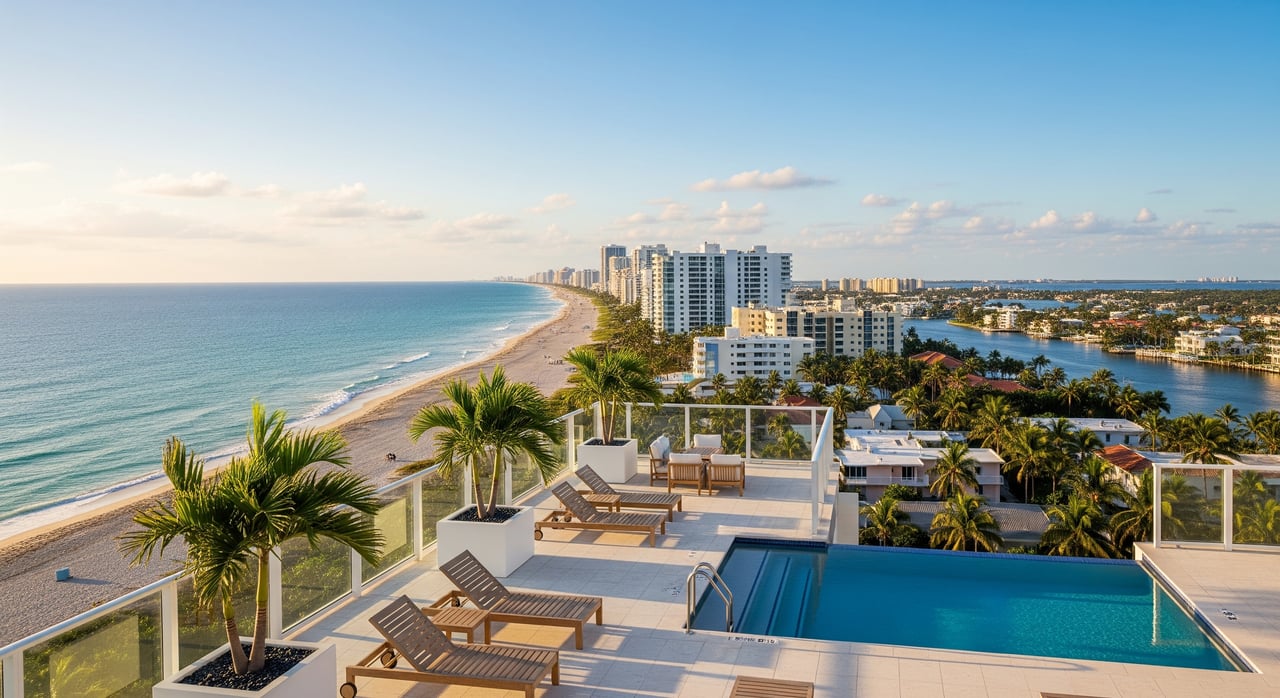
Choosing between a Pompano Beach oceanfront condo and a quieter inland community can feel like choosing between vacation and everyday convenience. You want the right balance of lifestyle, value, and long-term costs, without surprises after closing. In this guide, you’ll learn how beachfront, Intracoastal, and inland condo areas compare on price, amenities, risks, insurance, and HOA rules so you can buy with confidence. Let’s dive in.
Where condos cluster in Pompano Beach
Beachfront near the Pier
Oceanfront towers and mid-rise buildings line A1A and the public beach near the Pompano Beach Pier. You’ll find resort-style amenities, wide balconies, and quick access to dining and events around the pier and beach parks. Expect high walkability and more seasonal traffic. For redevelopment context and local updates, explore the City of Pompano Beach.
What you’ll notice:
- High-rise and mid-rise buildings with direct beach access
- Strong demand for ocean views and larger balconies
- Seasonal buzz, more foot traffic, and event activity
Best if you want: daily beach time, views, and a resort feel.
Intracoastal and Waterway
Just west of A1A, condos line the Intracoastal Waterway and connecting canals. Many communities offer docks, marinas, or water access for boating and kayak launches. The vibe is calmer than the oceanfront, with sunset water views and less tourist activity.
What you’ll notice:
- Low- to mid-rise condos and some townhouse-style buildings
- Possible boat slips or community docks, sometimes with waitlists
- Select flood zones, which can affect insurance
Best if you want: boating access and waterfront views without full ocean exposure.
Inland clusters near I-95 and Downtown
West of US-1 and closer to I‑95, you’ll find garden-style condos, mid-century buildings, and newer low-rise communities. These areas are more residential, with quick access to grocery stores, services, and major roads. Prices often stretch further here, and you may see lower HOA fees compared to waterfront buildings.
What you’ll notice:
- Garden-style and low-rise complexes, some with gated entry
- Proximity to everyday services and commuter routes
- Fewer luxury amenities and no water views
Best if you want: value, space, and practical convenience.
Prices, age, and HOA fees
What drives price
Across Pompano Beach, price per square foot changes with location, views, and amenities. Beachfront units typically command the highest premium, especially for direct ocean views and newer finishes. Intracoastal condos often price mid-range, with premiums for slips and water frontage. Inland options usually offer the most square footage for your budget.
Key value drivers:
- View: ocean, Intracoastal, canal, or no water
- Amenities: pool, fitness, security, covered parking, marina access
- Unit condition: renovations, impact windows, updated systems
- Association health: reserves, budgets, and fee stability
- Flood zone and insurance costs
- Proximity to redevelopment and transportation
Building age and condition
Many oceanfront and Intracoastal condos were built from the 1950s through the 1980s, with a mix of updates and full rehabs. You’ll also see newer or recently upgraded buildings along the beach as demand has grown. Inland clusters are a blend of mid-century communities and newer low-rise builds from the 1990s–2010s.
What to consider:
- Structural upkeep and concrete restoration cycles
- Elevator modernization, roof replacements, and façade work
- Unit-level upgrades that improve energy and wind resistance
HOA fees and what they cover
Waterfront complexes usually have higher monthly fees due to enhanced amenities, on-site staff, building systems, and higher insurance costs. Inland garden-style communities often run lower. Most associations cover common area maintenance, exterior insurance, landscaping, elevators where applicable, and shared amenities. Some include cable or internet.
Expectations to set:
- Beachfront: higher fees and a greater chance of special assessments due to salt exposure and storm risks
- Intracoastal: mid-range fees that rise with marina features and flood coverage
- Inland: lower fees, but verify building systems and recent capital projects
Financing considerations
Loan options can vary by building. Some older associations may not meet FHA or VA standards. If you plan to use FHA financing, confirm the building on HUD’s FHA condominium approval list early. Lenders will also review reserves, owner-occupancy levels, litigation, and special assessments for conventional loans.
Tips:
- Request the condo questionnaire, budgets, reserve studies, and minutes early in your timeline
- Clarify any pending assessments and upcoming capital projects
- Confirm rental rules and pet policies if they affect your plans
Lifestyle tradeoffs to weigh
Beach days vs boat days vs errands
- Beachfront: You live where people vacation. Step outside for the sand, morning walks, and the pier. Daily life is vibrant and convenient to dining, but parking and traffic can get busy during peak seasons.
- Intracoastal: Water surrounds you without the same level of tourist activity. Boaters and sunset chasers often choose these communities for a calmer pace and direct water access.
- Inland: Everyday tasks feel simple. You are closer to shopping, services, and major roads, often with shorter drive times and easier guest parking.
Noise, crowding, and privacy
Beachfront areas can feel lively, especially near events and weekends. Intracoastal zones are typically quieter, though waterway activity and bridge traffic may be audible. Inland communities often have a more residential rhythm.
Rental rules and occupancy
If you plan to rent seasonally or short term, confirm the association’s restrictions and minimum lease periods. Many beachfront buildings regulate short stays to protect residents’ quality of life. Owner-occupancy levels can also affect financing and building culture, so ask for current figures.
Flood, wind, and insurance realities
Flood zones and elevation
Large parts of Pompano Beach lie in coastal flood zones. Beachfront and Intracoastal properties are more likely to require flood insurance. Before you buy, review the FEMA Flood Map Service Center and request any available elevation certificates. Ask about past flood claims and mitigation steps the association has taken.
For long-term context on resilience and sea-level planning, Broward County publishes guidance and adaptation strategies. You can explore county resources on Broward County climate and sea-level planning.
Wind and hurricane exposure
Windstorm coverage is common in South Florida. Building age, window and door protections, and roof condition influence premiums and peace of mind. Impact glass, modern shutters, and recent structural upgrades help reduce risk and may improve insurability.
Insurance, reserves, and assessments
Waterfront buildings often face higher master policy costs and stricter reserve needs. Underfunded reserves can lead to special assessments for concrete restoration, balconies, elevators, or roofs. Review the master policy summary, deductible structure, and whether your HO6 policy needs loss assessment coverage.
How to choose with confidence
- Define your lifestyle priorities
- Rank beach access, boating, views, space, commute, and budget. This shapes your zone fit.
- Set your total monthly budget
- Add mortgage, taxes, HOA dues, insurance, potential flood/wind coverage, and reserves for repairs.
- Compare building health
- Ask for budgets, reserve studies, meeting minutes, and a certificate of no pending assessments. Verify unit and building details with the Broward County Property Appraiser.
- Stress-test your financing
- Confirm eligibility and building approval early if you need FHA or VA. For conventional, ask your lender what building documents they require.
- Walk the neighborhood at different times
- Day vs evening, weekday vs weekend. Check traffic, noise, parking, and elevator usage.
- Plan for insurance
- Get quotes for HO6, flood, and wind coverage before you finalize your offer. Factor in deductibles.
What to review before you offer
Core documents for any condo
- Current HOA budget and most recent financial statement
- Reserve study or reserve schedule
- Declaration, bylaws, and rules, including rental and pet policies
- Meeting minutes for the past 12 to 24 months
- Master insurance policy summary and flood/wind details
- Certificate stating no pending special assessments, plus a history of recent assessments
- Litigation disclosures and any insurance claim history
- FHA/VA approval status if you plan to use those loans
Extra questions by zone
- Beachfront:
- What major structural or concrete work has been done and when?
- Are there policies or fees tied to beach access or beach park use?
- What are the short-term rental rules and owner-occupancy levels?
- Intracoastal:
- Are boat slips deeded, assigned, or rented? Waitlist details?
- Who maintains docks and seawalls, and are there dredging plans?
- Are ground-floor units in specific flood zones, and are elevation certificates available?
- Inland:
- What big-ticket items are on the horizon, such as roofs or plumbing risers?
- How are exterior items allocated between owner and HOA?
- Are reserves adequate for upcoming projects?
Governance and compliance resources
For guidance on condo governance and consumer resources, review the Florida DBPR Division of Condominiums. For local planning and project updates, consult the City of Pompano Beach. If you need current flood information and maps, use the FEMA Flood Map Service Center.
The bottom line
If you want a true beach lifestyle and high walkability, the beachfront near the pier delivers views and energy, with higher fees and insurance to match. If boating access, calmer water views, and mid-range costs appeal to you, the Intracoastal is a strong fit. If you value space, everyday convenience, and lower monthly costs, inland clusters often offer the best budget stretch.
You do not have to sort this out alone. Work with a local broker who lives this market every day, understands building health and insurance, and can surface the right options fast. For a personalized tour of Pompano Beach condo areas and a plan tailored to your goals, connect with Linda Hoyt to get started.
FAQs
What are the main Pompano Beach condo areas?
- Three practical zones are beachfront near the pier, Intracoastal and canal-front communities, and inland clusters near US-1 and I‑95.
How do prices compare across Pompano Beach condo zones?
- Beachfront usually has the highest price per square foot, Intracoastal is mid-range with premiums for slips and views, and inland often offers the most space for the price.
Do Pompano Beach condos require flood insurance?
- Many beachfront and Intracoastal properties sit in FEMA flood zones that require flood insurance; always check the FEMA Flood Map Service Center before you buy.
How do HOA fees differ by condo location in Pompano Beach?
- Waterfront buildings tend to have higher fees due to amenities and insurance costs, while inland garden-style communities often run lower.
Can I use FHA financing for a Pompano Beach condo?
- Possibly. Confirm the building on HUD’s FHA condominium approval list and review association financials with your lender early.
What documents should I review before buying a Pompano Beach condo?
- Request the HOA budget, reserves, rules, recent minutes, master insurance summary, assessment history, litigation disclosures, and any elevation certificates for flood-prone areas.