Two Fort Lauderdale homes can look identical on paper and still sell for very different prices. The difference often comes down to the water in front of them. If you are comparing oceanfront, Intracoastal, canal, or New River options across Broward, it helps to know how each micro-market drives value, boating access, and future resale. This guide breaks down what matters most so you can buy or sell with confidence. Let’s dive in.
Fort Lauderdale’s waterfront micro-markets
Direct oceanfront
Direct oceanfront means properties that face the Atlantic with immediate beach access or a private seawall. In Fort Lauderdale and nearby enclaves, think Harbor Beach and select stretches along the A1A corridor, plus neighboring Lauderdale-by-the-Sea. You get open water views and the beach at your doorstep.
Oceanfront delivers top-tier views and prestige, which generally supports the highest price per square foot. It also comes with greater exposure to wind, salt spray, and storm surge. That exposure influences insurance, maintenance, and long-term planning.
Intracoastal and canalfront
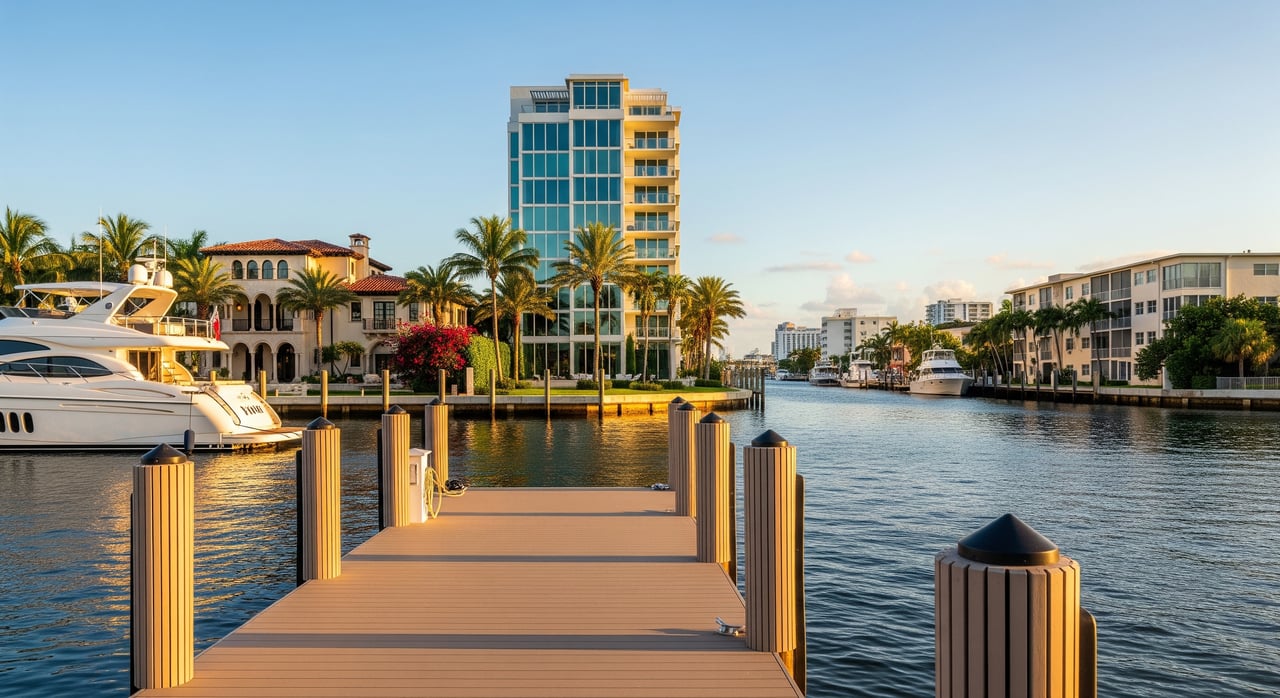
Intracoastal and canalfront homes sit on the Atlantic Intracoastal Waterway or on residential canals that feed into it. Signature areas include the Las Olas Isles, Coral Ridge, and canals near Victoria Park. Many of these properties have private docks and deepwater access suitable for larger boats.
Value here often hinges on dock length, canal width and depth, and whether you have to pass under any low fixed bridges to reach the ocean. Wider canals and unobstructed Intracoastal frontage typically command higher prices. Proximity to Las Olas Boulevard and marinas can add a lifestyle premium.
Riverfront on the New River
Riverfront includes homes and condos along the New River and nearby tributaries around downtown Fort Lauderdale. Neighborhoods like Rio Vista and Sailboat Bend are common examples. These properties often appeal to buyers who want a walkable lifestyle near restaurants and entertainment.
Riverfront homes may have more bridge and vessel traffic to consider, and bridges can limit the maximum size of your boat. In return, you get an urban waterfront setting and easy access to downtown amenities that broaden the buyer pool.
How water type shapes pricing
Oceanfront pricing drivers
- Unobstructed views and private beach access support the highest per-square-foot prices in the area.
- Larger oceanfront lots are scarce, which increases premiums for prime parcels.
- Insurance and maintenance costs are typically higher due to exposure, erosion risk, and storm surge.
- Resale demand remains strong because of prestige, although sales cadence can be episodic at the ultra-luxury level.
Intracoastal and canal pricing drivers
- Private docks and direct access to the ICW and Atlantic are major value points, especially with deepwater and wide canal frontage.
- Bridge clearance matters. Properties without low fixed bridges between them and the inlet generally trade at a premium.
- Seawall and dock condition can swing value due to repair costs and permitting needs.
- Liquidity is often healthy, particularly for mid-to-upper price tiers that suit a broad boating audience.
New River pricing drivers
- Downtown proximity and walkability create a lifestyle premium independent of pure water frontage.
- Panoramic bends or long river views add value, while proximity to commercial traffic near Port Everglades can be a mixed factor.
- Bridge clearances and depth may limit boat size, which some buyers accept in exchange for urban convenience.
- Smaller parcels and varied product types, including condos and townhomes, broaden the buyer base and support resale.
Typical value order
While every block differs, a common per-square-foot hierarchy is: oceanfront at the top, followed by wider Intracoastal and Las Olas Isles deepwater homes, with narrow canalfront and favorable downtown riverfront locations often trading close to each other. Exact premiums depend on frontage, depth, condition, and current market dynamics. Always use local, like-kind comps.
Boating access details that move price
If you plan to keep a boat at home, the following factors can make or break value:
- Dock length and permitted configuration. Longer, well-permitted docks can handle larger vessels and raise appeal.
- Water depth at mean low water. Adequate depth at the dock and along the route to the ocean supports year-round use.
- Bridge clearance and count. Low fixed bridges or multiple bascule bridges limit vessel size and add travel time.
- Path to the ocean. Direct ICW access is more valuable than a cul-de-sac canal with tight turns or frequent no-wake zones.
- Dredging history. Regularly dredged canals and documented depths can ease buyer concerns and support pricing.
Seawalls, flood zones, and insurance
Waterfront value is closely tied to risk and resilience. You should review:
- Seawall and dock condition. Aging or noncompliant seawalls can be expensive to replace and may impact insurability.
- Flood zone and elevation. FEMA flood zones and Base Flood Elevation influence insurance requirements and costs.
- Insurance availability and pricing. Across Florida, wind and flood coverage options and premiums vary by address. Ocean-exposed parcels often carry higher costs.
Ask for any Elevation Certificate, permits, and repair history. A marine-savvy inspector or engineer can help you understand condition and timelines for upgrades.
Lifestyle tradeoffs to weigh
- Oceanfront: Maximum views and beach access, with higher exposure and maintenance. Ideal if you prioritize the beach experience above all else.
- Intracoastal and canals: Protected water, private docks, and a boating lifestyle. Prime for yacht owners and those who want proximity to Las Olas without ocean exposure.
- New River: Urban waterfront living near dining and entertainment. Best if walkability and downtown convenience matter more than accommodating the largest vessels.
Your perfect fit depends on which benefits you value most relative to your boating needs and carrying costs.
For sellers: position your waterfront home
Serious buyers make decisions based on documentation. Assemble these items before you list:
- Current survey showing waterline, lot lines, and easements
- Seawall and dock inspection reports, permits, and repair history
- Dock dimensions, permitted configurations, and any bridge clearance notes
- Flood zone details and an Elevation Certificate if available
- Insurance information or written broker estimates for wind and flood
- Recent waterfront comps, including price per linear foot of water frontage
- HOA documents and recent tax assessments if applicable
Presentation matters too. Highlight water frontage footage, canal width and depth, vessel access to the inlet, and lifestyle benefits such as Las Olas proximity. A targeted marketing plan with premium media and global distribution can help you reach qualified waterfront buyers who understand these nuances.
For buyers: a fast due diligence checklist
Before you commit, clarify these points for any waterfront property you consider:
- What is the boatable depth at mean low water at the dock and along the route to the ocean?
- Are there fixed bridges, and what is the maximum vessel air draft and length allowed to reach open water?
- Who is responsible for seawall and dock maintenance and any dredging obligations?
- What is the FEMA flood zone and BFE, and what insurance will your lender require?
- Are there short-term rental rules or licensing requirements for this address and property type?
- Do zoning, coastal setbacks, or conservation easements affect expansion or rebuilding plans?
- Are there any planned canal or seawall projects that could affect access or assessments?
Having clear answers helps you compare options in Las Olas Isles, Harbor Beach, Coral Ridge, Rio Vista, and beyond without surprises after closing.
Reading the market in Broward
Waterfront properties in the Fort Lauderdale–Pompano Beach–Deerfield Beach area generally sell at a premium to non-waterfront homes. The high-end segment, especially true oceanfront and deepwater Intracoastal, has shown resilient demand, though ultra-luxury inventory can be less liquid and more sensitive to the broader economy.
Days on market, price per square foot by product type, and price per linear foot of water frontage are all useful benchmarks. Because the comp pool is small, recent sales within the same micro-market and similar boating profiles are the most reliable indicators.
Navigate with a waterfront specialist
Choosing between oceanfront, Intracoastal, canal, and New River properties is as much about your lifestyle as your budget. A local expert can interpret bridge clearances, dock permitting, flood zones, and seawall condition so you can price, negotiate, and plan improvements with confidence. If you are selling, a strategic presentation that showcases water access and lifestyle can expand your buyer pool and protect your price.
If you would like a tailored plan for your next move in Fort Lauderdale or anywhere in Broward, connect with Linda Hoyt. You will get concierge-level service, deep neighborhood expertise, and premium marketing reach to position your home or search effectively. Request Your Personalized Market Valuation and start your strategy today.
FAQs
What does “deepwater” mean for Fort Lauderdale homes?
- Deepwater generally refers to canal or Intracoastal frontage with sufficient depth and no low fixed bridges to the ocean, which supports larger vessels and often commands a price premium.
How do oceanfront and Intracoastal prices typically compare?
- Oceanfront usually leads per-square-foot pricing due to unobstructed views and beach access, followed by wider Intracoastal and Las Olas Isles deepwater homes, with narrow canals and favorable downtown riverfront often close behind.
How do bridges affect my boat choice and home value?
- Bridge clearance limits vessel height and sometimes length, which can reduce the buyer pool and value compared with similar homes that offer an unobstructed path to the inlet.
What documents should I request before buying waterfront?
- Ask for a current survey, seawall and dock reports, permits, flood zone details and any Elevation Certificate, dock dimensions and bridge notes, insurance estimates, and recent comparable waterfront sales.
How do flood zones and insurance affect affordability?
- Flood zone and elevation influence required coverage and premium costs, and ocean-exposed locations often carry higher wind and flood insurance, which impacts monthly expenses and lending.
What metrics should I use to compare waterfront values?
- Look at price per square foot by product type, days on market, and price per linear foot of water frontage within the same micro-market, adjusted for dock size, depth, and bridge access.