You can stand in one Boca Raton condo, point to another a mile away, and still be looking at two very different monthly costs and lifestyles. If you’re weighing oceanfront luxury, a walkable downtown address, or a western resort community, the location you pick determines what your HOA covers, how insurance works, and what to expect at resale. The goal is not just to fall in love with a view. It’s to understand the operating model behind it.
This guide breaks down Boca’s three main condo zones and shows how each affects fees, maintenance, insurance, and long‑term value. You’ll also get a practical checklist so you can compare buildings with confidence. Let’s dive in.
Boca condo zones at a glance
Boca Raton’s condo market sorts into three broad areas that shape lifestyle and costs. Each has strengths. The key is matching what you value to how the association operates and funds its obligations.
Oceanfront towers: what to expect
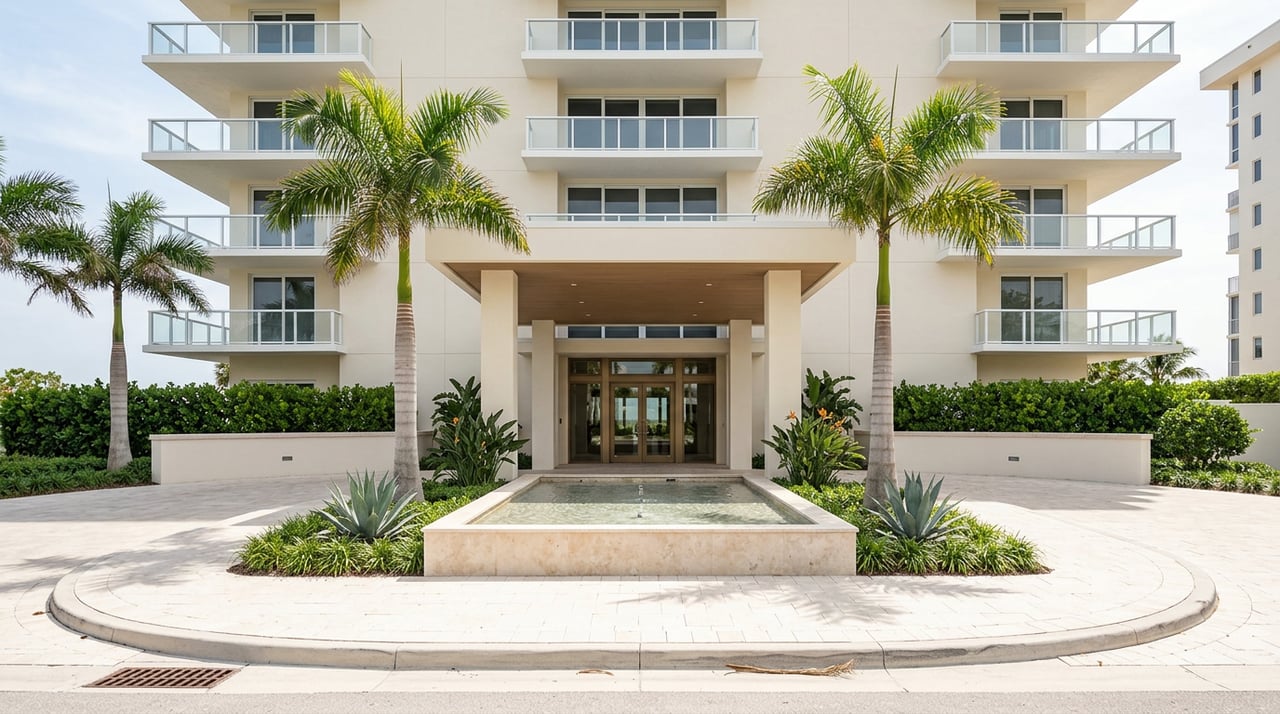
Oceanfront and East Boca towers along A1A and South Ocean Boulevard deliver beach access, views, and a service-forward feel. You often see valet, doormen, on‑site management, and robust amenity decks.
- Lifestyle: direct beach access and lock‑and‑leave convenience. Many seasonal owners prefer the hospitality feel.
- HOA structure: a single building association typically funds staffing, a master insurance policy, garage and elevator upkeep, building envelope work, and reserves.
- Cost drivers: higher wind and water exposure, exterior corrosion, and balcony, window, and coating lifecycles. These realities increase replacement values and, in turn, association insurance premiums and reserve needs under Florida’s association insurance rules in FS 718.111.
- Resale: oceanfront earns a location premium but can be more sensitive to insurance shifts, large capital projects, and SIRS findings. Pricing varies widely by building age and service level. For market context, see the Boca Raton data in the Elliman Q1 2025 report.
Downtown condos: what to expect
Downtown around Mizner Park, Royal Palm Plaza, and Palmetto Park emphasizes walkability, dining, and cultural events. Newer buildings may blend boutique luxury with wellness and concierge services.
- Lifestyle: you trade direct beach frontage for convenience and a lively calendar, supported by civic venues highlighted in City of Boca Raton materials for Mizner Park.
- HOA structure: still substantial in amenity-rich buildings, but salt‑air wear is reduced compared with direct oceanfront. Parking garages, common spaces, security, and concierge staffing are major budget lines.
- Resale: lifestyle and convenience attract a broad buyer pool. Age of building, parking supply, and lease rules shape demand and values.
Western club condos: what to expect
West Boca’s resort and country‑club communities, like Boca West, Broken Sound, Woodfield, and Boca Pointe, center life around golf, tennis, dining, and social programming.
- Lifestyle: a resort cadence with on‑site recreation. Many buyers prioritize club amenities over walkable urban culture.
- HOA and governance: layered. You may have a village or building HOA plus a master club. Many clubs require an initiation fee at closing and annual dues that are separate from the monthly HOA. Boca West’s published rules illustrate mandatory joining and capital contributions in a country‑club setting (Boca West Rules & Regulations).
- Cost tradeoffs: lower immediate coastal flood exposure than oceanfront, but you assume multi‑tier governance and recurring club dues. Large club capital projects can impact costs independent of your building HOA.
How location shapes monthly HOA
Your monthly HOA is not a generic fee. It is a budget that reflects the building’s risk profile, staffing, and capital plan.
Common line items to review:
- Operating and staffing: concierge, doorman, security, maintenance techs, management.
- Utilities and common‑area services: elevators, common HVAC, lighting, water for common areas.
- Association property insurance: master policy premiums and deductibles for the building under FS 718.111.
- Reserves and capital planning: roof, façade, windows, elevators, pool decks, garages. Many 3‑plus story buildings must now follow the milestone inspection and Structural Integrity Reserve Study rules in FS 553.899, which can increase reserve targets.
- Amenities and contracted services: beach maintenance, valet, spa, marina slips, or, in club communities, costs tied to master‑association operations.
A simple rule of thumb: ask for the current operating budget and the most recent reserve study. These numbers reveal whether your HOA is covering routine service or catching up on deferred capital.
Insurance basics to budget
Florida shares costs between the association and the unit owner. Knowing who covers what helps you budget correctly.
- Master policy vs. HO‑6: the association insures the structure and common elements. You carry a unit owner’s HO‑6 policy for interiors, contents, and liability.
- Loss assessments: Florida law requires residential unit owner policies to include at least $2,000 of loss‑assessment coverage for certain assessments arising from a covered loss (FS 627.714). Consider discussing appropriate limits with your insurer.
- Why oceanfront costs more: higher replacement valuations and coastal risk typically raise association premiums. As premiums rise, dues and reserves often follow, especially in full‑service towers.
Milestone inspections and SIRS
In response to Surfside, Florida created a statewide program for structural safety. If you are considering a building that is three or more stories, this is essential reading.
- The law: buildings at or above three stories must complete a milestone structural inspection by year 30, with local agencies allowed to set 25 years for buildings within 3 miles of the coast. A Structural Integrity Reserve Study is required at least every 10 years (FS 553.899).
- Why it matters: Phase 2 findings trigger defined repair timelines. Many associations have adjusted dues or levied special assessments to fund required work. The state’s Division of Condominiums provides guidance for owners and associations in its DBPR condo FAQs.
- Your move: request the latest SIRS, the Phase 1 report, and ask directly about any Phase 2 items and funding plans.
Flood and coastal risk
Flood exposure varies block by block, but patterns emerge by zone.
- Oceanfront and low‑lying intracoastal areas are more likely to fall in FEMA Special Flood Hazard Areas, which can affect insurance and lending.
- Downtown and near‑intracoastal buildings may still carry flood risk depending on elevation.
- Western club communities are generally less exposed to coastal flooding but are not immune to heavy rain events.
Always pull the official FEMA flood zone for the specific property address using the Flood Map Service Center and get a quote for flood insurance early in your process.
Resale factors to weigh
Location is the headline, but the association’s capital health is the fine print that moves values.
- Oceanfront: premium pricing that tracks service level and condition. Sensitive to large assessments and insurance shifts.
- Downtown: durable lifestyle appeal with a broad buyer base. Age, parking, and rental rules matter.
- Western club communities: a focused buyer pool that values club life. Mandatory initiation and dues can narrow the audience and influence days on market.
To evaluate any building’s resale profile, verify three items and compare them across your shortlist:
- Current monthly HOA and what it covers.
- Date of the last reserve study and percent funded.
- Any pending special assessments or Phase 2 SIRS findings.
Buyer checklist for Boca condos
Use this list to standardize your due diligence.
Documents to request:
- Current operating budget and year‑to‑date financials.
- Most recent reserve study. If the building is 3 or more stories, ask for the SIRS and the latest milestone reports, including any Phase 2 items.
- Association insurance declarations page, including property policy deductible and wind coverage details under FS 718.111.
- A list of pending or recent special assessments and how costs were allocated.
- Governing documents and rules for pets, rentals, guest parking, docks, and any master‑club membership requirements. The state’s DBPR condo FAQs explain owner and association responsibilities.
- Minutes from the last 12 months of board meetings.
Key questions to ask:
- What does the monthly HOA include and exclude, line by line?
- When was the last reserve study and what major projects are scheduled in the next 5 years?
- Has the milestone Phase 1 inspection been completed and filed? Any Phase 2 findings and a defined funding plan under FS 553.899?
- Are there initiation fees or master‑association contributions due at closing in club communities, such as those described in Boca West’s rules?
- Who insures the building and what has been the premium trend over the last two renewals?
Red flags to note:
- No or outdated reserve study despite obvious aging components.
- Frequent special assessments in the last three years without a long‑term plan.
- Heavy reliance on last‑resort wind carriers without a clear explanation.
- Unfunded SIRS findings or open Phase 2 items with no schedule.
Which zone fits you
If you are still narrowing your search, use these quick cues to match your lifestyle and budget preferences.
- Choose oceanfront if you want beach access and a service model, and you are comfortable budgeting for higher association insurance and exterior maintenance reserves.
- Choose downtown if you want walkability to dining and events, and you are willing to trade some private outdoor space for convenience and amenities.
- Choose western club communities if you value on‑site golf, tennis, and social programming and can plan for initiation fees and club dues on top of HOA costs.
Next steps
The right Boca Raton condo should feel effortless today and sensible tomorrow. If you want a second set of eyes on budgets, reserves, insurance disclosures, and flood risk while you weigh locations, connect with Linda Hoyt for a focused consultation. You will get local insight, clear next steps, and a plan to secure the address that fits your lifestyle and long‑term goals.
FAQs
What makes Boca oceanfront HOA fees higher?
- Oceanfront buildings face stronger wind and salt exposure that increase replacement values and insurance premiums, and they often fund more frequent exterior work, all of which flow through the HOA budget under FS 718.111.
How do Boca club communities affect condo costs?
- Western resort communities may require a master‑club initiation fee at closing and annual dues in addition to monthly HOA dues, as shown in Boca West’s Rules & Regulations.
What is a SIRS and why does it matter in Boca?
- A Structural Integrity Reserve Study identifies required funding for critical building components; in 3‑plus story buildings, it is mandated every 10 years under FS 553.899 and can lead to higher reserves or assessments.
Who pays for what in condo insurance?
- The association’s master policy covers the structure and common elements, while you carry an HO‑6 policy for interiors; state law also requires at least $2,000 of loss‑assessment coverage under FS 627.714.
How can I check a Boca condo’s flood risk?
- Look up the property’s FEMA flood zone and base flood elevation using the Flood Map Service Center and get a flood insurance quote before you finalize an offer.
What documents should I review before buying a Boca condo?
- Request the operating budget, reserve study, SIRS and milestone reports for 3‑plus story buildings, master insurance declarations, board minutes, special assessment history, and full governing documents, as summarized in the DBPR condo FAQs.