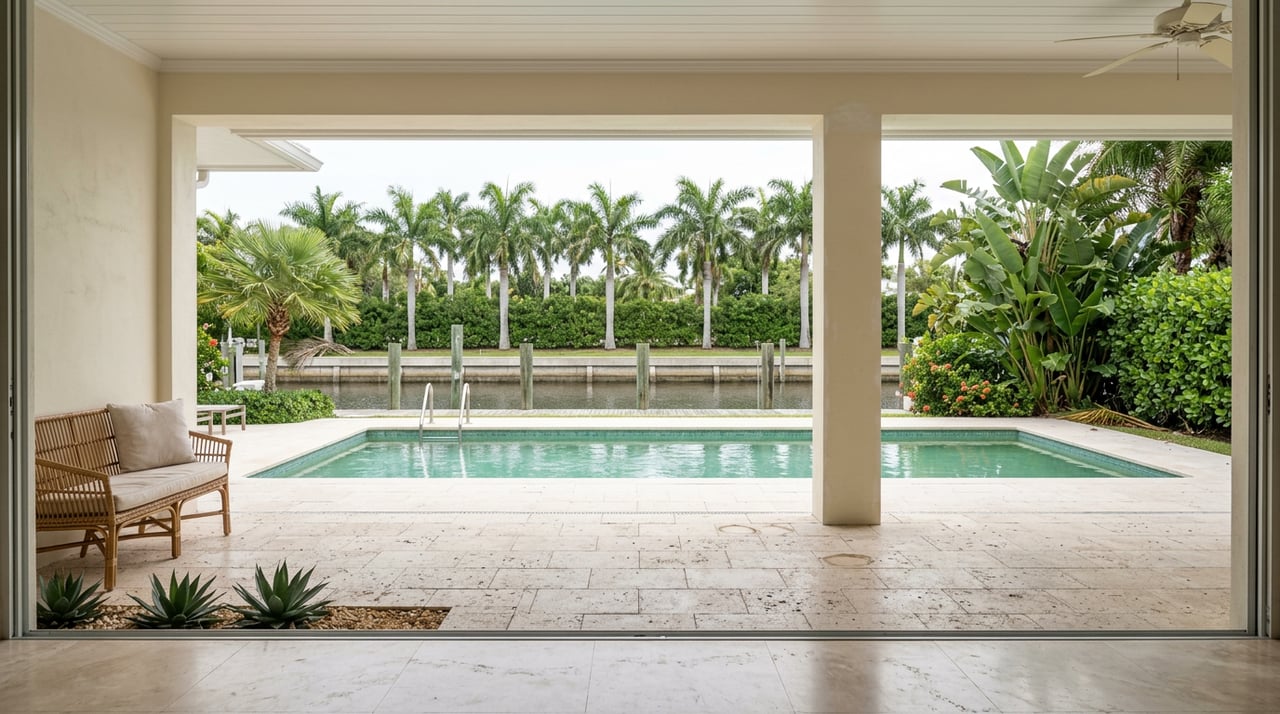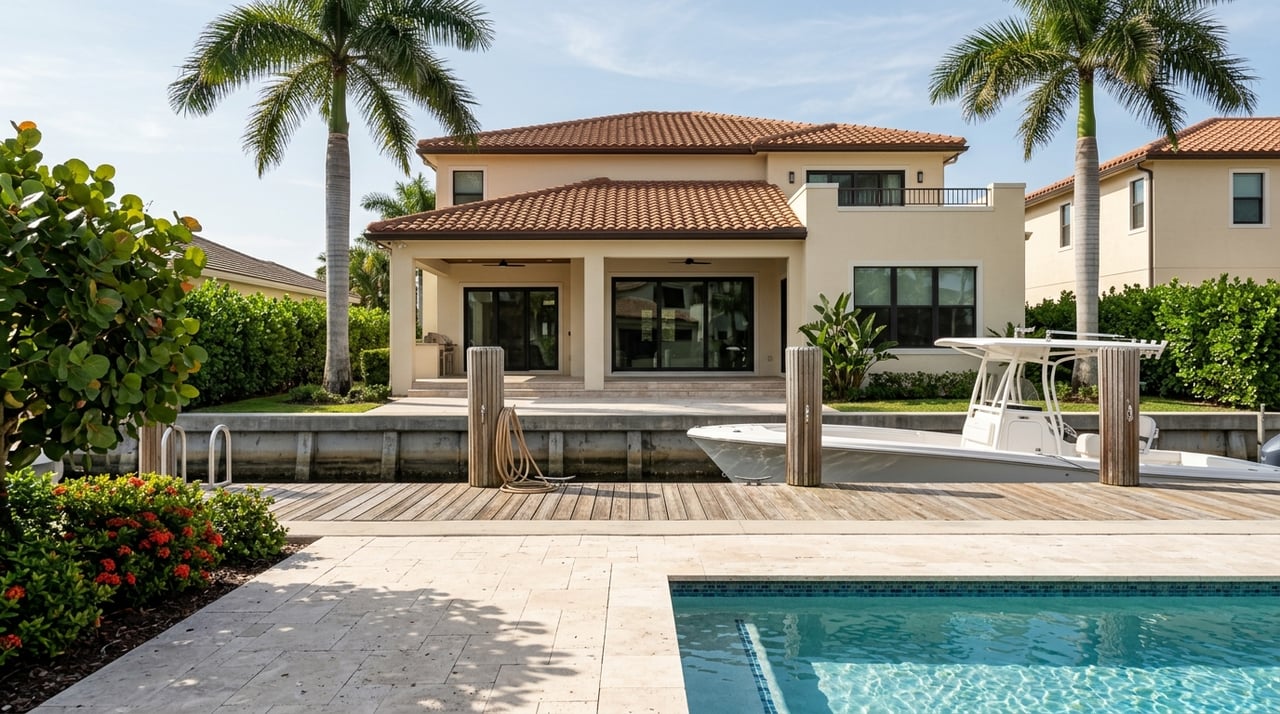
If canal living is on your wish list, Lighthouse Point is one of those places that quickly gets your attention. You may be dreaming about keeping a boat behind your home, enjoying water views every day, or finding a quieter waterfront setting without giving up access to the Intracoastal and ocean routes. This guide will help you understand how canal living works in Lighthouse Point, what buyers should compare from one property to the next, and which due-diligence steps matter most before you buy. Let’s dive in.
Why Lighthouse Point Stands Out
Lighthouse Point is a mature coastal city in northeast Broward County with a strong waterfront identity. According to city planning materials, it is bounded by the Intracoastal Waterway on the east and US 1 on the west, and it is more than 95% developed.
That matters if you are shopping for a home here. In a mostly built-out city, buyers are usually choosing among existing homes and established waterfront lots rather than betting on large waves of new development. The city also describes roughly 18 miles of waterways, with extensive private waterfront frontage woven through residential areas.
Lighthouse Point also has a very specific feel. The city describes it as quiet, tree-shaded, and water-laced, with winding streets and cul-de-sacs that shape the day-to-day experience of living here. You can read more about that character on the city’s Lifestyle page.
What Canal Living Really Means
Not all waterfront in Lighthouse Point is the same, and that is one of the first things buyers should understand. The city includes canal frontage, lake frontage, and Intracoastal frontage, so your buying decision is less about checking a generic “waterfront” box and more about matching the property to how you want to live.
Some buyers want easy day-boating access and a more tucked-away setting. Others care most about broader views, larger-vessel potential, or a more open-water feel. Since the city’s waterfront pattern varies from parcel to parcel, the smartest approach is to evaluate each home based on its specific water access, frontage, and yard layout.
City documents also note that much of the frontage is bulkheaded. That is useful context because the waterfront improvements on a property can affect how much usable outdoor space remains and what future maintenance or upgrades may involve.
Boating Access Buyers Should Understand
For many buyers, the biggest question is simple: how easily can you get from your backyard to major boating routes? According to city support documents, Lighthouse Point’s deepwater canals and waterways provide access to the Intracoastal Waterway, nearby Hillsboro Inlet, and the Atlantic Ocean.
That connectivity is a major reason buyers are drawn to the area. In the southern part of the city, the same city materials note that Lake Placid provides Intracoastal access for most residents in that section.
If you are comparing homes, this is where details matter. Two waterfront homes in the same city can offer very different boating experiences depending on canal position, route to open water, and how the lot is set up for dock use. A buyer consultation focused on your boating goals can help narrow the search before you spend time touring homes that do not fit.
Private Dock or Marina Access
You may not need or want a private dock at home. If you like the waterfront lifestyle but prefer marina-based boat storage, city documents identify two private waterfront facilities in Lighthouse Point.
These include the Lighthouse Point Yacht and Racquet Club, which has a 78-slip marina for sport-fishing craft and yachts from 30 to 120 feet, and Lighthouse Point Marina, which has more than 100 slips for boats from 25 to 80 feet. For some buyers, knowing these options exist broadens the home search because the property itself may not need to do all the work.
How to Compare Waterfront Lots
When you tour canal homes in Lighthouse Point, it helps to look beyond the photos and ask practical questions. Since there is no one standard lot pattern across the city, side-by-side comparison is important.
Here are a few smart points to evaluate:
- Water type: Is the property on an interior canal, lake frontage, or closer to open Intracoastal exposure?
- Frontage use: How much of the rear waterfront is dedicated to dockage or other water access improvements?
- Outdoor space: After seawall and dock features, how much yard space is left for a pool, patio, or open entertaining area?
- Boating fit: Does the setup seem better suited to casual boating, or does it appear more aligned with larger-vessel use?
- Feel of the lot: Does the home feel sheltered and private, or more open and view-oriented?
These are not city standards. They are practical buyer-side comparisons based on the city’s documented mix of canals, marinas, and waterfront frontage.
Privacy, Exposure, and Daily Feel
Your experience on the water can vary a lot depending on the property’s orientation. City materials explain that Lighthouse Point’s east side faces the Intracoastal Waterway, while the west side fronts US 1. That helps explain why some homes feel more open and view-forward, while others feel more sheltered within the interior canal network.
As a general rule, open-water parcels may feel more exposed, while canal lots can feel more private. Still, the exact experience depends on the individual parcel, nearby homes, and how the property is positioned on the water.
This is one reason in-person tours matter so much. The same square footage can live very differently depending on breeze, privacy, backyard depth, and the relationship between the home and the water.
Flood Risk Should Be Part of Your Search
If you are buying waterfront in Lighthouse Point, flood due diligence should be part of the process from the start. The city clearly states that it is in a flood-prone area and encourages adequate flood insurance protection through its Flood Information resources.
Broward County’s current flood-zone maps became effective July 31, 2024, and the county notes that Zone VE applies to coastal areas with added storm-wave hazards. You can review that information through Broward County’s flood map page.
The city also says its building department keeps elevation certificates for some properties and can provide flood-elevation information on request. For buyers, that can be a valuable part of early due diligence, especially if you want a clearer picture of insurance considerations and long-term ownership costs.
Long-Term Resiliency Matters Too
Buying on the water is not just about today’s lifestyle. It is also about understanding how coastal ownership may evolve over time.
The city’s Resiliency and Lighthouse Point information says South Florida could face more coastal flooding, heavier rainfall, intensified storms, and more frequent extreme heat over time. That does not mean canal living loses its appeal. It means buyers should pair lifestyle excitement with careful review of risk, insurance, property condition, and future planning.
A well-informed purchase is usually a better long-term purchase. On waterfront property especially, clarity now can help you avoid surprises later.
Maintenance and Permitting Are Part of Ownership
Waterfront ownership typically comes with more moving parts than an inland home. In Lighthouse Point, the city’s Public Works department notes that canals and storm drains are maintained for stormwater management, and the city prohibits dumping into waterways.
The city also highlights drainage projects designed to clean runoff before it enters canals and the ocean. That is useful context if you care about how local infrastructure supports the waterfront environment.
If you are planning a major renovation, addition, or new construction on a waterfront property, you should also expect extra documentation. The city’s new residence and addition permit checklist requires items such as engineer letters regarding seawall condition and recent surveys in some cases. For buyers, that is a reminder that site condition and paperwork matter before you make future plans.
A Smart Buying Approach for Canal Homes
If you are serious about buying in Lighthouse Point, the best approach is to balance lifestyle goals with property-level due diligence. A beautiful waterfront photo does not tell you everything about access, privacy, maintenance, or flood-related considerations.
A focused home search should help you answer questions like these early:
- How important is quick access to the Intracoastal or ocean routes?
- Do you want a backyard dock, marina access, or flexibility for either?
- Would you prefer a more open-water feel or a more sheltered canal setting?
- How much outdoor yard space do you want beyond the waterfront improvements?
- What flood-zone, elevation, and insurance questions should be reviewed before making an offer?
When you work with a local broker who understands Broward’s waterfront micro-markets, you can spend less time guessing and more time evaluating the homes that truly fit your goals.
If you are considering buying on the canals in Lighthouse Point, Linda Hoyt can help you compare waterfront options, understand the tradeoffs from one property to the next, and move forward with clear local insight.
FAQs
What makes canal homes in Lighthouse Point different from other waterfront homes?
- Lighthouse Point has a mix of canal, lake, and Intracoastal frontage, so buyers should compare the specific type of water access, frontage, and lot layout for each property.
What boating access do Lighthouse Point canal homes typically offer?
- According to city documents, the canal system connects to the Intracoastal Waterway, Hillsboro Inlet, and the Atlantic Ocean, with Lake Placid also providing Intracoastal access for many homes in the southern part of the city.
What flood risk should buyers review for Lighthouse Point waterfront homes?
- Buyers should review flood-zone maps, ask about elevation information, and consider flood insurance needs because the city identifies Lighthouse Point as a flood-prone area.
What should buyers look at when comparing waterfront lots in Lighthouse Point?
- Focus on canal versus open-water exposure, how the waterfront frontage is used, how much backyard space remains, and whether the setup fits your boating plans.
What maintenance issues matter for Lighthouse Point canal properties?
- Waterfront buyers should pay attention to seawall condition, surveys, permitting needs for future work, and ongoing property responsibilities tied to canal-side ownership.