If you are deciding between a waterfront home and an inland home in Lighthouse Point, the choice is about more than price. In this city, water shapes the layout, the lifestyle, and the responsibilities that come with ownership. Understanding how these two options differ can help you buy with more confidence and fewer surprises. Let’s dive in.
Why Lighthouse Point Feels Different
Lighthouse Point is not a typical inland suburb with a few homes near the water. The city’s comprehensive plan describes it as an almost fully built-out canal city, with man-made, bulkheaded waterways running throughout the community. The Intracoastal Waterway stretches along the city, and Hillsboro Inlet sits next to the southeast portion of Lighthouse Point.
That setup matters because “waterfront” here usually means canal, lake, or Intracoastal frontage rather than beach frontage. The city also notes that, aside from a small non-bulkheaded area, there are no beaches or shores within Lighthouse Point. So when you compare waterfront and inland homes here, you are really comparing boat access, canal frontage, and water views against interior residential locations in the same compact coastal city.
Waterfront vs Inland at a Glance
In Lighthouse Point, both waterfront and inland single-family lots generally share the same minimum lot size of 7,500 square feet under the city zoning summary. That means the real differences often come from what the lot can do, not just how big it is. Frontage, canal width, dock potential, view corridor, and lot shape can all affect value and usability.
Because the city is largely built out, buyers are often choosing between existing homes, renovated properties, or redeveloped homes rather than newly created neighborhoods. Many of the original single-family subdivisions were developed from the 1950s through the 1970s, and the housing stock reflects that history. Some homes have been updated, while others have been fully reimagined.
What You Get With Waterfront Homes
Boat Access Is the Main Premium
For many buyers, the biggest reason to choose waterfront in Lighthouse Point is simple: boat utility. NOAA’s Coast Pilot notes that Hillsboro Inlet connects with the Hillsboro River and the Intracoastal Waterway and serves as an important base for boaters heading toward the Gulf Stream. If you use a boat regularly or want dockage at home, that can make waterfront ownership especially appealing.
Water-oriented living is also part of the local rhythm. The city newsletter notes a Water Taxi stop at Nauti Dawg on Marina Circle, which shows how connected daily life can be to the water here. For the right buyer, that is not just a nice feature. It is a practical lifestyle benefit.
Views and Outdoor Use Can Feel More Open
A waterfront property can offer a different sense of openness than an inland lot, especially if the canal width and rear exposure work in your favor. Buyers often value the ability to enjoy the water from a patio, pool area, or dock. In a built-out city like Lighthouse Point, that water backdrop can be one of the clearest distinctions between two homes with similar interior square footage.
Waterfront Homes Are the Premium Tier
Pricing data consistently show that waterfront and ocean-access homes sit well above the citywide baseline. Citywide medians vary by source and time period, with reported median list or sale figures ranging from the high six figures to the low seven figures depending on the dataset. By contrast, a February 2026 MLS-based ocean-access report showed active listings with a median asking price of $4.25 million and a trailing six-month median sale price of $2.25 million.
A separate 2026 forecast reported that Lighthouse Point’s 2025 annual waterfront single-family median sale price finished at $2.55 million. The takeaway is straightforward: waterfront ownership in Lighthouse Point usually means entering a much higher price bracket.
What Waterfront Homes Also Require
Dock Rules Matter
The lifestyle upside comes with more rules and more diligence. Lighthouse Point code limits dock projection to 8 feet on canals under 100 feet wide and 10 feet on wider canals. Dock width is also capped at 6 or 8 feet depending on canal width, and docks and pilings must be maintained in safe condition.
If dockage is important to you, these details matter early. Two homes may both be labeled waterfront, but their canal width, existing dock setup, and usability can be very different.
Permits Can Be More Involved
The city requires DEP approval for re-deck or dock work, signed and sealed drawings for new docks, and current surveys. For waterfront new construction or major remodels, the city also requires engineer letters about seawall condition and whether the seawall can support added upland improvements. Drainage plans and recent surveys may also be needed.
That does not mean waterfront ownership is a bad choice. It means you should treat it as a more detailed purchase, especially if you plan to renovate, expand, or rebuild.
Flood and Seawall Diligence Becomes More Important
Lighthouse Point states that the city is flood-prone and encourages adequate flood insurance. Its flood information also directs buyers to FEMA flood maps and elevation certificates. For waterfront buyers, flood review is not a side issue. It is part of the core decision.
You are also not just buying a house and a view. You may be buying responsibility for a seawall, dock, and water-facing improvements that need ongoing attention. That is one of the clearest practical differences between waterfront and inland ownership in this market.
Rear Yard Rules Can Differ
Waterfront landscaping has added limits near the seawall. The city says hedges can be only 3 feet high in the rear 25-foot setback near the seawall, compared with 8 feet in much of the rear yard for non-waterfront homes. If privacy landscaping is important to you, this is worth understanding before you buy.
What Inland Homes Offer
Better Value for Many Buyers
If you do not plan to own a boat or use one often, inland homes may offer the stronger overall value. Based on broader citywide pricing and the much higher waterfront figures, inland detached homes are generally the more attainable tier in Lighthouse Point. Many fall roughly in the high-six-figure to low-seven-figure range, though exact pricing depends on size, updates, location, and lot characteristics.
That means you may be able to stay in the same city, enjoy the same general location, and still avoid the premium tied to canal or ocean-access frontage. For many buyers, that is the sweet spot.
Fewer Water-Specific Responsibilities
Inland ownership is typically simpler. You are usually not taking on dock compliance, seawall review, or the same level of flood-related due diligence that often comes with waterfront property. You still need to evaluate the home carefully, of course, but the checklist is often more conventional.
For buyers who want a manageable ownership experience, that difference can be meaningful. Less complexity can also make future renovation planning more straightforward.
Same City, Different Cost Structure
Because Lighthouse Point is compact and built out, inland does not mean far away. You are still buying in the same established city with the same overall coastal setting. The tradeoff is usually not location versus no location. It is more often premium water utility versus more conventional value.
How the Housing Stock Affects Your Choice
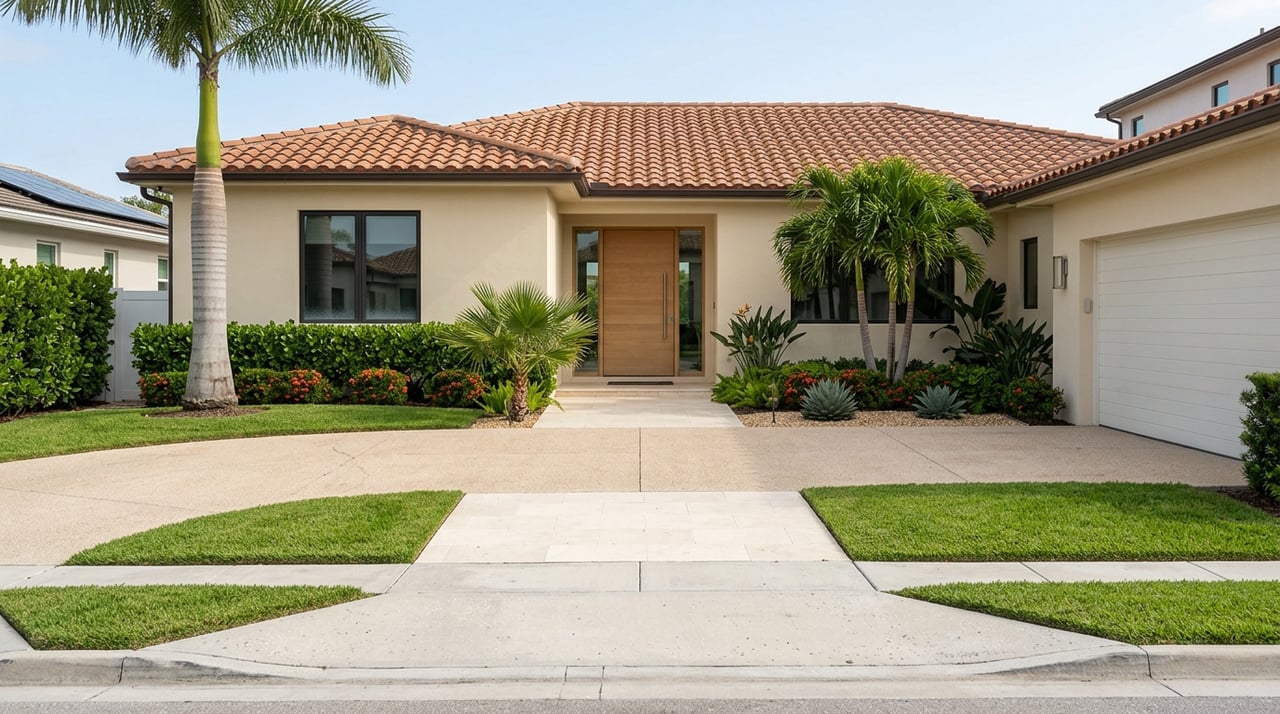
Homes in Lighthouse Point tend to be older on average. Homes.com reports a median year built of 1967 and a median lot size of 9,147 square feet. The style mix ranges from older ranch-style homes and updated properties to large Mediterranean and contemporary residences.
This matters whether you buy waterfront or inland. In both categories, you may be comparing original-condition homes, partial remodels, and newer redevelopment projects. On waterfront lots especially, the home itself is only part of the equation. The condition of the seawall, dock, and site improvements may matter just as much.
Which Option Fits Your Goals?
Waterfront May Fit You Best If:
- You own a boat or plan to use one regularly
- You want dockage at home
- Water views are a top priority
- You are comfortable with higher acquisition and upkeep costs
- You are prepared for added permit, flood, and seawall diligence
Inland May Fit You Best If:
- You do not need private dockage
- You want to stay in Lighthouse Point at a lower price point
- You prefer a simpler ownership profile
- You want to focus more on the house itself than water infrastructure
- You value practicality over boating access
A Simple Decision Rule
In Lighthouse Point, the clearest dividing line is utility. If you will actively use the water, a waterfront home can justify its premium in a way an inland home cannot. If you will not, an inland home may give you better value while keeping you in the same desirable city.
That is why the best decision is not just about budget. It is about how you plan to live in the property day to day.
If you want help comparing specific homes, pricing differences, or property conditions in Lighthouse Point, working with a local broker who understands both waterfront and inland inventory can make the process much clearer. To talk through your options, connect with Linda Hoyt.
FAQs
What counts as a waterfront home in Lighthouse Point?
- In Lighthouse Point, waterfront typically means a home on a canal, Lake Placid, or the Intracoastal rather than a beach property, since the city notes there are no beaches or shores aside from a small non-bulkheaded area.
Are waterfront lots bigger than inland lots in Lighthouse Point?
- Not necessarily. The city zoning summary lists the same 7,500-square-foot minimum lot size for both waterfront and interior lots, so frontage, shape, and dock potential often matter more than raw lot size.
Are waterfront homes in Lighthouse Point much more expensive than inland homes?
- Yes. Citywide pricing sits well below waterfront and ocean-access pricing, with inland homes generally representing the value tier and waterfront homes usually falling into the multi-million-dollar range.
What extra checks should waterfront buyers make in Lighthouse Point?
- Waterfront buyers should pay close attention to dock rules, permit requirements, seawall condition, flood information, surveys, and any engineering documentation tied to future improvements.
Are inland homes in Lighthouse Point still a good option if I want a coastal location?
- Yes. Inland homes still place you in the same compact coastal city, often with a lower purchase price and fewer water-specific ownership responsibilities.
Is Lighthouse Point mostly new construction or older homes?
- Lighthouse Point is largely a built-out city with many homes dating from the 1950s through the 1970s, although many have been renovated or redeveloped over time.